
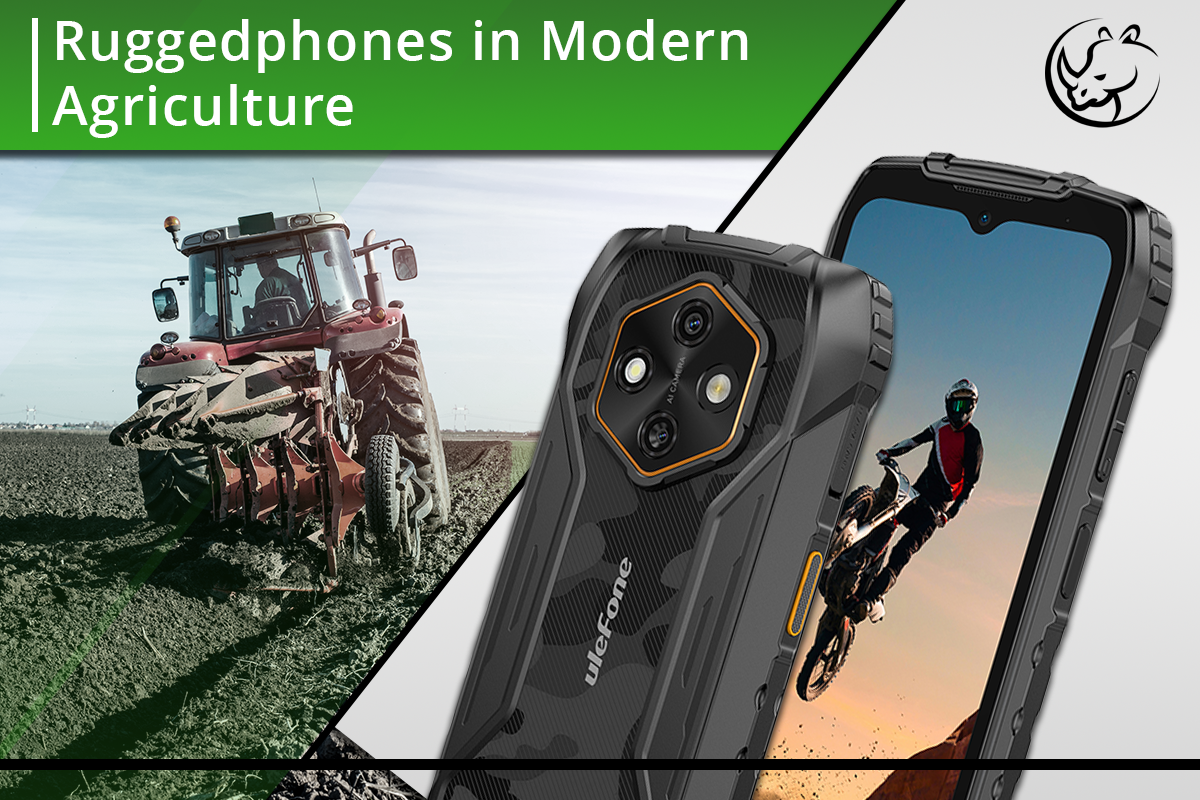
Modern farming requires more than machinery and manual labour. Farm workers and supervisors need to share information, coordinate tasks and respond quickly to changing conditions throughout the day. With teams often spread across large areas, effective communication is essential for keeping daily operations organized.
Rugged smartphones offer a practical way to support these activities. Designed for demanding working environments, they help agricultural teams stay connected while accessing important information directly from the field.
Why communication Matters in Daily farm operations
Farms involve multiple activities happening simultaneously, from monitoring crops and managing livestock to maintaining equipment and organizing deliveries. When workers cannot easily share updates, tasks can be delayed and important information may not reach the right person.
Rugged smartphones help bridge this gap by allowing workers and supervisors to exchange information while moving around the farm. Instead of returning to an office to report an issue or receive instructions, employees can communicate from wherever their work takes them, provided network coverage is available.
This supports better coordination, quicker decision-making and a more organized working day.
How Rugged Smartphones Support Everyday Farm Work
1. Keeping Field Workers and Management Connected
Clear communication between field workers and management helps keep agricultural operations running smoothly. Workers can call supervisors, send messages and provide updates on completed tasks or unexpected problems.
For example, a worker checking irrigation systems can immediately report a damaged pipe or water supply issue. A supervisor can then coordinate the necessary repairs without waiting for the worker to return to the main office.
These direct updates help teams respond to problems sooner and reduce unnecessary travel across the farm.
2. Accessing Farm Management Apps and Digital Records
Many farms use digital tools to manage schedules, stock, livestock records, crop activity and equipment maintenance. Rugged smartphones allow workers to access compatible applications and records while working in the field.
Instead of relying entirely on handwritten notes or paperwork, employees can check task lists, update information, and review relevant instructions on their devices.
Having information readily available supports more accurate recordkeeping and helps managers maintain visibility over daily activities. It can also make communication between teams more efficient by ensuring workers have access to the same relevant information.
3. Photographing Crops, Livestock and Equipment
Photos can provide useful evidence of what is happening on a farm. Workers can photograph crop damage, signs of equipment wear, livestock conditions or areas requiring attention.
These images can then be shared with supervisors or relevant team members for review. For instance, a photograph of a damaged fence can help management understand the problem before sending someone to assess it.
Visual updates make it easier to explain issues clearly, support informed decisions, and keep records of conditions observed during inspections.
4. Using GPS for Navigation and Location-Based Tasks
Large farms can cover extensive areas, making it difficult to locate specific fields, livestock areas, storage facilities, or equipment.
Rugged smartphones with GPS capabilities can help workers navigate farm property, locate designated work areas, and coordinate tasks based on location.
When supported by suitable mapping applications, location information can help teams find one another and identify where assistance is needed. This can be particularly useful when workers operate independently across different sections of a property.
GPS accuracy and functionality depend on the device, application, and available signals.
5. Checking Schedules, Messages and Work Instructions
Daily farm activities can change because of weather conditions, equipment problems, or shifting priorities. Workers need access to updated instructions to avoid confusion and keep tasks on track.
With a rugged smartphone, employees can check messages, review schedules, and receive task updates while away from the office. Supervisors can share changes with relevant team members without relying solely on printed notices or face-to-face meetings.
This flexibility supports better coordination and helps workers understand what needs to be done next.
Why Rugged Smartphones Suit Agricultural Environments
Farm work can expose devices to dust, mud, moisture, accidental drops and demanding outdoor conditions. Rugged smartphones are designed with features intended to withstand more challenging environments than many standard consumer phones.
Depending on the model, these devices may offer water and dust resistance, reinforced construction, drop protection, and batteries designed to support extended use.
Choosing the right device means considering the farm’s working conditions, required applications, connectivity needs, and battery demands. Protection ratings and capabilities vary between models, so specifications should always be checked before purchasing.
Improve Farm Mobility with Rugged Technology
Effective communication helps agricultural teams share information, coordinate responsibilities, and respond to everyday challenges. Rugged smartphones bring these capabilities directly into the field, helping workers and supervisors stay connected while managing their daily tasks.
For farms looking to improve mobility and streamline operations, rugged devices can be a practical step towards more connected agricultural work.
Want to learn more about rugged technology for agriculture? Follow Rugged SA on Linkedin https://www.linkedin.com/company/rugged-sa How Rugged Smartphones Support Everyday Farm Work